The Air We Breathe and What Is In It
You cannot always see it or smell it, but air pollution affects every single person on the planet. Understanding where it comes from is the first step to clearing the sky.
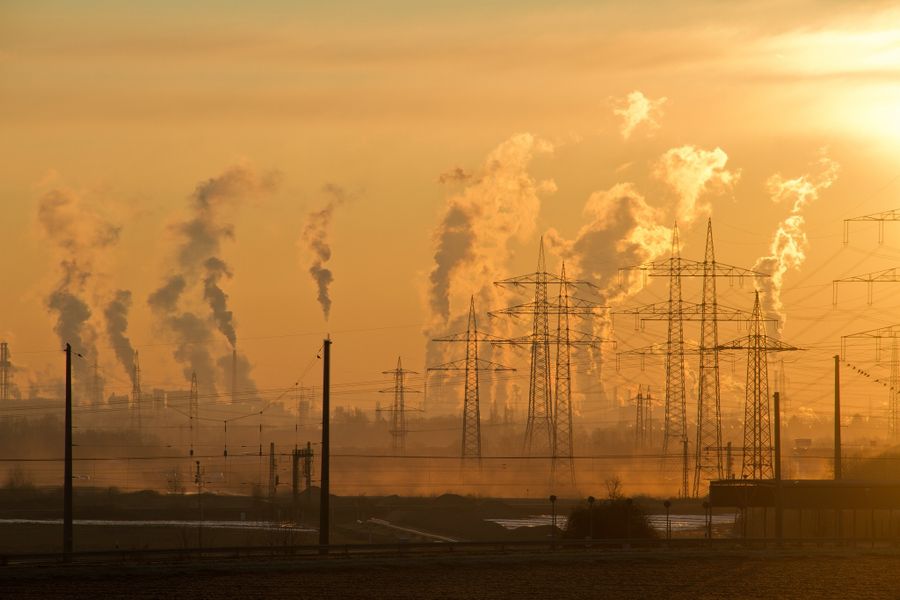
The Donora Death Fog
On October 26, 1948, a weather event called a temperature inversion trapped a thick, toxic fog over the small town of Donora, Pennsylvania. The smoke from a nearby steel and zinc factory could not rise into the sky. Instead, it just sat over the town of 14,000 people for four days straight.
By the time the fog cleared, 20 people had died and around 6,000 (nearly half the town) had gotten sick with breathing problems, sore throats, and vomiting. Animals on nearby farms died too. It was the worst air pollution disaster in US history at the time.
The Donora disaster shocked the country and helped kick off the environmental movement that eventually led to the Clean Air Act of 1970, a law that has prevented millions of early deaths in the decades since.
The lesson of Donora is that pollution is not an act of God. It is a result of human decisions, and it can be changed by human decisions.
Major Causes of Air Pollution
Most air pollution comes down to one thing: burning fuels and processing materials that release harmful gases and particles.
Burning Fossil Fuels
Cars, power plants, and home heating that run on coal, oil, or gas pump invisible pollutants into the air that are harmful to breathe and warm the planet.
Factories and Industry
Factories and refineries release a range of toxic substances into the air, including chemicals that cause breathing problems and have been linked to cancer.
Farming
Farm animals produce methane, a powerful greenhouse gas. Crop burning and the overuse of fertilizers also release gases that contribute to poor air quality.
Vehicle Exhaust
Cars, trucks, and buses are one of the biggest causes of air pollution in cities, releasing harmful gases directly at street level where people walk and breathe.
Understanding the Air Quality Index (AQI)
The AQI is a simple number that tells you how clean or polluted your air is right now and whether it could affect your health.
Check Your Local Air Quality
Enter your city or zip code to look up today's AQI on AirNow.gov
Opens AirNow.gov, the official US EPA air quality site
Simple Steps You Can Take
You cannot control what big industries release, but you can lower your own impact and protect your health.
Check Air Quality Daily
Look up your local air quality index before going outside, especially if you exercise outdoors or have asthma or allergies.
Plant Trees and Native Plants
Trees absorb harmful gases and particles from the air. Even planting one tree in your yard or neighborhood makes a difference.
Drive Less, Walk or Cycle More
Vehicle exhaust is a major cause of city air pollution. Walking, biking, or taking public transit reduces pollution and is good for your health too.
Improve Indoor Air Quality
Open windows to let in fresh air, skip synthetic air fresheners, and use exhaust fans when cooking. If you live near a busy road, a HEPA air purifier helps.